If you’ve ever felt like your body was sending mixed signals unpredictable periods, stubborn weight, or sudden mood shifts you aren’t alone. Polycystic Ovary Syndrome (PCOS) is one of the most common hormonal challenges, affecting roughly 1 in 10 women of reproductive age. If you are navigating PCOS insulin resistance South Africa-wide, understanding this metabolic link is the first step to healing. However, despite its prevalence, it remains one of the most misunderstood conditions in modern women’s health.
The primary reason for this confusion is that PCOS is often treated as a “gynecological” issue. In reality, it is a complex metabolic and endocrine signature. It is less about “cysts” on your ovaries and more about how your body processes energy, manages stress, and regulates its internal clock. By shifting the focus from masking symptoms to addressing root causes specifically insulin resistance and chronic inflammation you can begin to restore your natural rhythm and feel like yourself again.
What is PCOS, really?
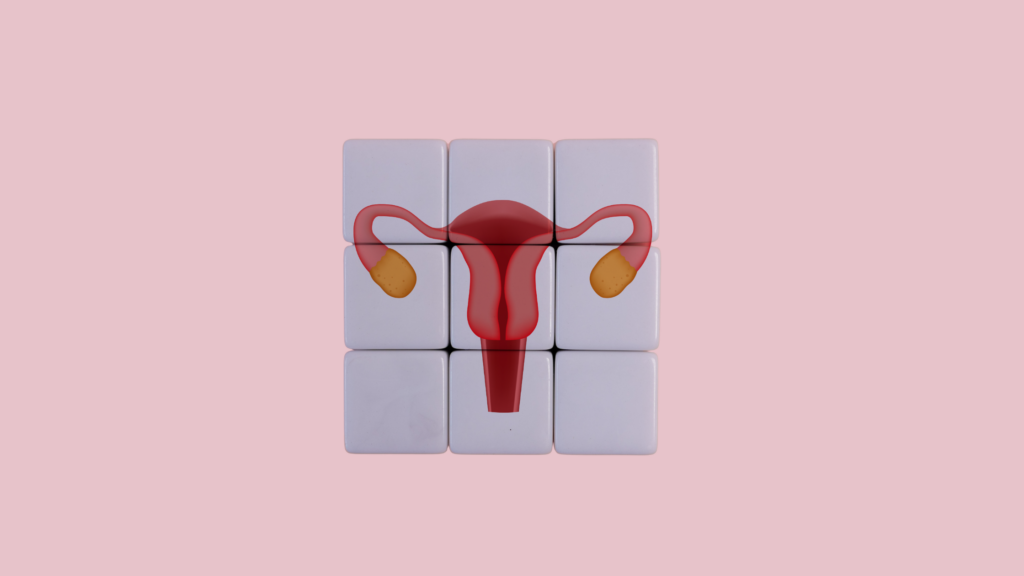
The name “Polycystic Ovary Syndrome” is a bit of a misnomer. Many women are diagnosed with PCOS without ever having a single cyst. Conversely, many women have “cysts” (which are actually just small, undeveloped follicles) and don’t have the syndrome.
The Biological “Chain Reaction”
To understand PCOS, you have to look at the relationship between your pancreas and your ovaries. For most women with this condition, the story starts with Insulin Resistance.
Insulin is a hormone produced by your pancreas that acts like a key, unlocking your cells so they can let in glucose (sugar) for energy. When you have insulin resistance, your cells become “hard of hearing.” They don’t respond to the key as they should. Your body, sensing that blood sugar is still high, pumps out more and more insulin to compensate.
Here is where the ovaries come in: High levels of circulating insulin are “loud” and aggressive. They stimulate a specific part of the ovaries (the theca cells) to produce androgens, which are often referred to as “male-pattern” hormones like testosterone.
When testosterone levels rise, they “stall” the development of your follicles. Instead of one egg maturing and being released (ovulation), several follicles stay in a “sleeping” state. This lack of ovulation leads to the irregular cycles that characterize the condition. It is a systemic biological pattern, not a “fault” or a choice.
How PCOS Shows Up in Everyday Life
PCOS is a “spectrum” condition. No two women experience it the same way. Common patterns include:
- The “Tired but Wired” Energy Cycle: Because insulin and cortisol (your stress hormone) are closely linked, you might feel deep fatigue during the day, yet find your mind racing at 10:00 PM.
- The Midsection Shift: In the South African health context, we often see weight gain that concentrates specifically around the abdomen. This is a classic sign of the metabolic component of PCOS.
- Hormonal Skin & Hair Changes: This includes cystic acne the kind that feels deep and painful usually appearing along the jawline, or unwanted hair growth on the face and chin.
- Cycle Disruptions: Periods that are longer than 35 days apart, or cycles that “vanish” during times of stress, are clear signals that ovulation is being interrupted.
The South African Edge Lifestyle and Nutrition
Our dietary staples play a massive role in how PCOS manifests. In South Africa, many of our traditional foods like pap, white rice, and potatoes are high-glycemic carbohydrates.
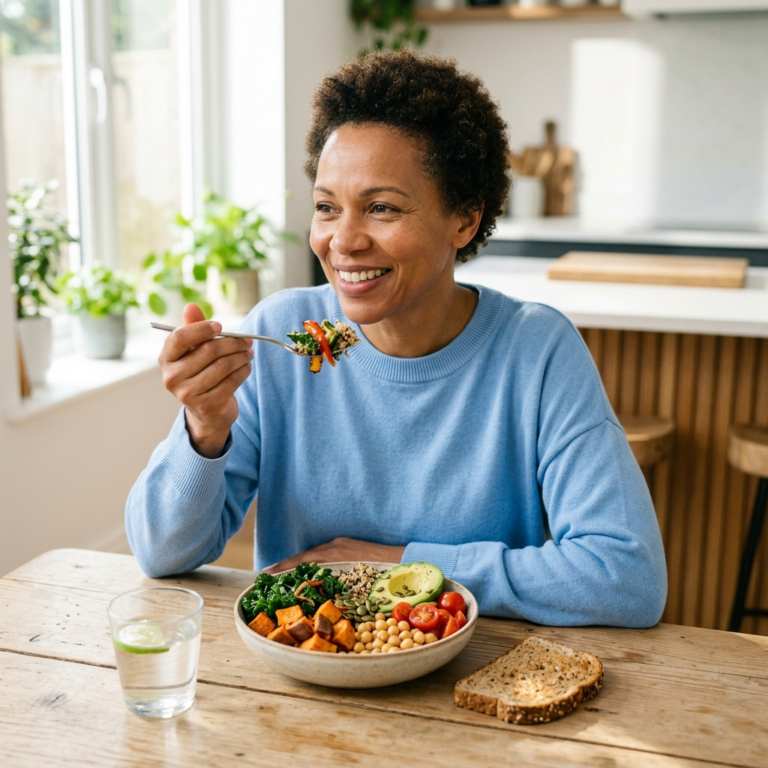
The Strategy: You don’t have to give up your favorite foods, but you do have to “clothe” them. Always pair your starches with a high-quality protein and a healthy fat. For example, if you’re having pap, ensure you have a generous portion of grilled meat, fish, or beans and some avocado. This slows down the absorption of sugar into your bloodstream.
Three Actionable “Resets” for Natural Balance
- Stabilize the Glucose Rollercoaster: Start your day with a protein-heavy meal within an hour of waking. Try the Vinegar Hack: a tablespoon of apple cider vinegar in water before your largest meal can reduce the insulin spike by up to 30%.
- Move with Intention, Not Brutality: Prioritize strength training over intense, punishing cardio. Building muscle helps your body “soak up” glucose, lowering insulin demand.
- Prioritize Nervous System “Safety”: Focus on magnesium-rich foods like pumpkin seeds and spinach. Magnesium supports insulin sensitivity and helps soothe the stress response.
FAQ People Also Ask
Do I have to be on “The Pill” to be healthy? The pill masks symptoms without addressing the underlying insulin resistance. Many women find success by addressing the root cause naturally to restore their own hormonal production.
Can I still get pregnant? Absolutely. PCOS causes sub-fertility (difficulty conceiving) due to irregular ovulation, but once balance is restored, many women conceive naturally.
When to Seek Professional Support
If you have been consistent with lifestyle changes for 3 to 6 months and aren’t seeing progress, it may be time for a deeper look. Specialized testing can help identify your specific “PCOS type” and provide a personalized roadmap.
References & Further Learning
- Understanding PCOS in South African Women
- Frontiers in Endocrinology: PCOS and thyroid disorder
- PMC (NIH): The role of the thyroid and insulin in
- StatPearls: PCOS Overview and Management
Disclaimer: This article is for educational purposes only and does not constitute medical advice. Always consult with a qualified healthcare professional.