Medically Reviewed • Last Updated: April 2026 • 10-minute read
Written by a qualified health content team. This article is for informational purposes only and does not constitute medical advice. Always consult a licensed healthcare professional for diagnosis and treatment.
Hypothyroidism — also called an underactive thyroid — occurs when your thyroid gland does not produce enough thyroid hormone. Because thyroid hormones regulate nearly every cell in the body, a shortfall can trigger a wide-ranging cascade of symptoms that are easy to mistake for everyday tiredness, ageing, or stress.
According to estimates from major endocrinology societies, hypothyroidism affects roughly 5% of the global population, with women and people over 60 being significantly more likely to develop the condition. Many cases go undiagnosed for years.
This guide walks you through the 15 most clinically recognised hypothyroidism symptoms, explains why they happen, outlines who is most at risk, and helps you understand when to seek medical advice.
| Key Takeaway Hypothyroidism symptoms are often subtle and overlap with other conditions. A simple blood test measuring Thyroid-Stimulating Hormone (TSH) is the standard diagnostic tool — no guesswork required. |
What Is Hypothyroidism?
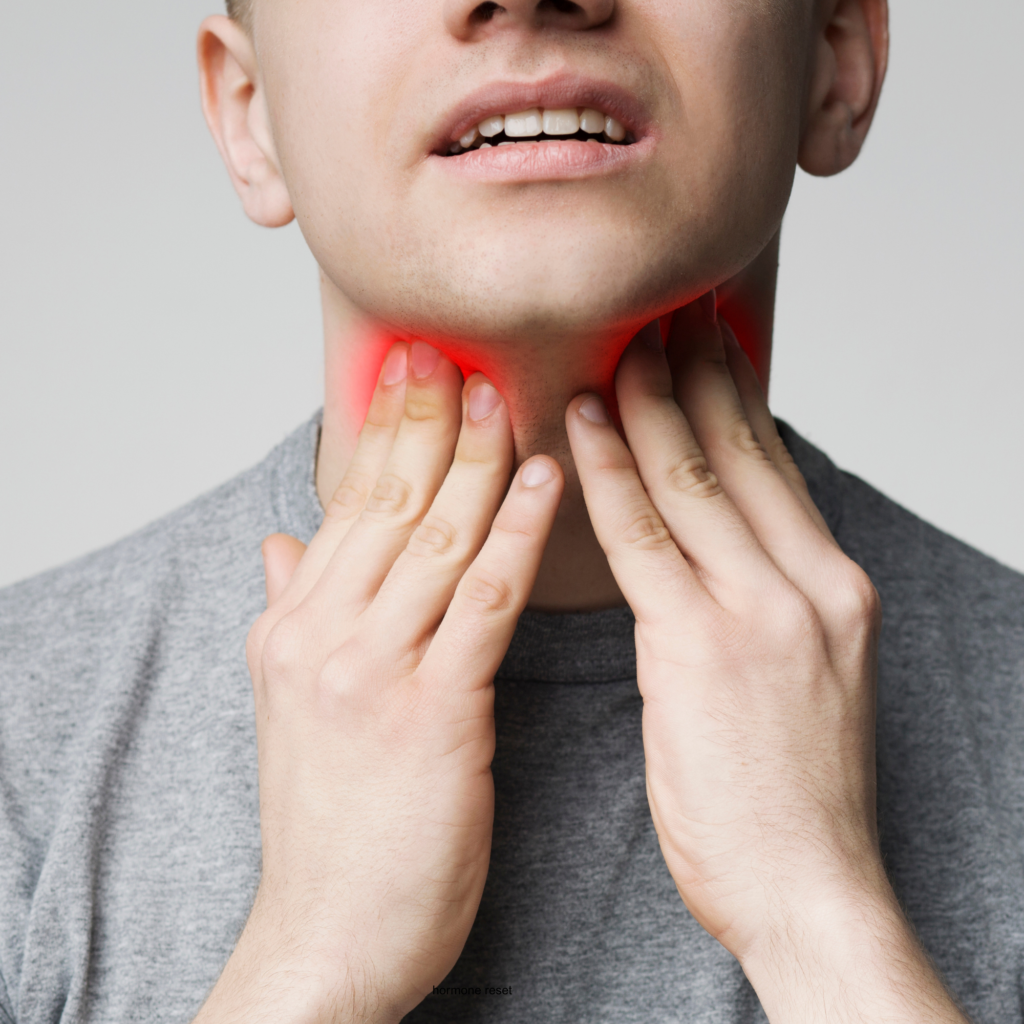
The thyroid is a butterfly-shaped gland at the base of your neck. It produces two key hormones — thyroxine (T4) and triiodothyronine (T3) — that govern metabolism, heart rate, body temperature, brain function, and more.
When thyroid output falls below optimal levels, these processes slow down. The result is a body running in ‘low-power mode’, which explains why hypothyroidism symptoms tend to cluster around fatigue, weight gain, and slowed bodily functions.
Primary vs Secondary Hypothyroidism
Primary hypothyroidism (the most common type) originates within the thyroid gland itself — often caused by autoimmune damage (Hashimoto’s thyroiditis), surgical removal, or radioiodine treatment.
Secondary hypothyroidism is rarer and results from a failure of the pituitary gland to produce enough TSH to stimulate the thyroid.
15 Common Hypothyroidism Symptoms
The following symptoms are drawn from clinical literature and guidelines published by the American Thyroid Association (ATA) and the British Thyroid Foundation (BTF). Experiencing one or two of these signs does not confirm a diagnosis — only a healthcare provider can do that.
1. Persistent Fatigue and Low Energy
Fatigue is the most frequently reported symptom of hypothyroidism. Because thyroid hormones drive cellular energy production, even a mild deficit can make you feel exhausted after minimal activity — or upon waking, despite a full night’s sleep.
Unlike typical tiredness, hypothyroid fatigue does not improve significantly with rest, and it often worsens over time.
2. Unexplained Weight Gain
A slowing metabolism means fewer calories are burned at rest. Many people with undiagnosed hypothyroidism notice a gradual, unexplained increase in body weight, even when their diet and activity levels have not changed.
It is important to note that hypothyroidism-related weight gain is typically modest (2–5 kg in mild cases). Dramatic weight changes should always be evaluated for other causes.
3. Sensitivity to Cold
Thyroid hormones help regulate body temperature. When levels fall, people often feel cold even in warm environments, experience cold hands and feet, and may increase their home heating considerably compared to those around them.
4. Dry, Rough, or Pale Skin
Reduced thyroid hormone slows skin cell turnover and decreases sweating. This results in dry, flaky skin that may feel rough to the touch. In some cases, the skin takes on a yellowish tint due to impaired conversion of beta-carotene to vitamin A.
5. Hair Loss and Thinning
Hair follicles depend on regular thyroid hormone stimulation. When this signal weakens, follicles enter a resting phase prematurely, leading to diffuse hair thinning across the scalp. Eyebrow thinning — particularly at the outer third — is considered a classic clinical sign.
Nails may also become brittle, thin, or ridged.
6. Brain Fog and Memory Difficulties
Many patients describe hypothyroidism as a ‘mental fog’ — difficulty concentrating, forgetfulness, slow thinking, and trouble finding words. This cognitive slowing is sometimes mistaken for early dementia, especially in older adults.
Studies suggest that even subclinical hypothyroidism (slightly elevated TSH with normal T4) may impair working memory and processing speed.
7. Depression and Low Mood
The relationship between thyroid function and mood is well established. Hypothyroidism reduces serotonin activity in the brain, contributing to low mood, loss of interest, tearfulness, and in some cases, clinical depression.
Patients already being treated for depression who do not fully respond to antidepressants are sometimes found to have undiagnosed thyroid dysfunction.
8. Constipation
Thyroid hormones stimulate gut motility — the rhythmic muscular contractions that move food through the digestive tract. When hormone levels drop, digestion slows, leading to constipation that may be chronic and unresponsive to dietary changes.
9. Muscle Weakness, Aches, and Cramps
Low thyroid hormone impairs muscle function and repair. People may experience generalised weakness, aching muscles particularly after light exercise, and painful cramps — most commonly in the legs and hands.
In rare, severe cases, rhabdomyolysis (muscle fibre breakdown) can occur.
10. Slow Heart Rate (Bradycardia)
Thyroid hormones influence heart rate and the strength of cardiac contractions. Hypothyroidism can cause a resting heart rate below 60 beats per minute (bradycardia), and may also contribute to elevated blood pressure and raised LDL cholesterol levels.
11. Elevated Cholesterol
The liver uses thyroid hormones to clear LDL (‘bad’) cholesterol from the bloodstream. In hypothyroidism, this process becomes less efficient, causing total and LDL cholesterol to rise — even in people maintaining a healthy diet.
Treating hypothyroidism often leads to a significant reduction in cholesterol levels without medication.
12. Puffy Face, Hands, and Feet
A condition called myxoedema — accumulation of fluid-attracting molecules in body tissues — causes characteristic puffiness around the face (especially eyelids), hands, and feet. This swelling is non-pitting, meaning it does not leave an indentation when pressed.
13. Hoarse Voice
Thyroid hormone deficiency can cause the vocal cords and surrounding tissues to swell, leading to a low, husky, or hoarse voice. This symptom is more common in severe or long-standing hypothyroidism.
14. Irregular or Heavy Menstrual Periods
In women, hypothyroidism disrupts the hormonal signalling that regulates the menstrual cycle. This can result in heavier, more frequent, or more painful periods. Conversely, some women experience lighter periods or cycle irregularity.
15. Fertility Difficulties and Pregnancy Complications
Thyroid hormones are essential for normal ovulation and maintaining a healthy pregnancy. Hypothyroidism increases the risk of difficulty conceiving, miscarriage, premature birth, and developmental problems in the baby.
All women planning pregnancy or who are pregnant are advised to have their thyroid function checked if symptoms or risk factors are present.
Quick Reference: Hypothyroidism Symptoms by Body System
Use the table below to cross-reference symptoms with the body systems they affect.
| Body System | Common Symptoms | How It Feels |
| Metabolism | Weight gain, cold intolerance | Unexplained kilos, always feeling cold |
| Energy & Brain | Fatigue, brain fog, depression | Exhausted despite rest, poor memory |
| Skin & Hair | Dry skin, hair loss, brittle nails | Flaky patches, thinning hair |
| Heart & Circulation | Slow pulse, high cholesterol | Palpitations, elevated blood fats |
| Digestion | Constipation, bloating | Slow, sluggish gut |
| Muscles & Joints | Aches, cramps, swelling | Stiffness, puffiness in hands/feet |
| Hormones | Irregular periods, fertility issues | Heavy cycles, difficulty conceiving |
Who Is Most at Risk of Hypothyroidism?
While anyone can develop an underactive thyroid, certain groups face significantly higher risk:
- Women: Up to 10 times more likely to develop hypothyroidism than men, largely due to autoimmune predisposition.
- People over 60: Thyroid function declines naturally with age; subclinical hypothyroidism is particularly common in older adults.
- Those with autoimmune conditions: Hashimoto’s thyroiditis is the leading cause; other autoimmune diseases (Type 1 diabetes, rheumatoid arthritis, lupus) also raise risk.
- Previous thyroid surgery or radioiodine treatment: Both can result in reduced or absent thyroid function.
- Family history: A first-degree relative with thyroid disease significantly increases personal risk.
- Iodine deficiency: Iodine is essential for thyroid hormone production; deficiency remains a major global cause of hypothyroidism.
- Pregnancy and postpartum period: Up to 10% of women develop postpartum thyroiditis, which can cause transient or permanent hypothyroidism.
- Certain medications: Lithium, amiodarone, and some immunotherapy drugs can impair thyroid function.
| ⚠️ Medical Disclaimer The information on this page is intended for educational purposes only. It is not a substitute for professional medical advice, diagnosis, or treatment. If you think you may have hypothyroidism, please make an appointment with your doctor or an endocrinologist. Do not attempt to self-diagnose or self-treat based on online content. |
When Should You See a Doctor?
Book an appointment with your GP or primary care physician if you experience any of the following:
- Three or more of the symptoms listed above, particularly fatigue, weight gain, cold intolerance, or cognitive changes
- Symptoms that have persisted for four or more weeks
- A swelling or lump in the front of your neck
- A family history of thyroid disease
- You are pregnant, planning to conceive, or have recently given birth and are experiencing new symptoms
- Previous thyroid treatment (surgery, radioiodine, medication) and emerging new symptoms
A simple blood test measuring TSH (Thyroid-Stimulating Hormone), and often Free T4, is typically sufficient to diagnose or rule out hypothyroidism. This is a routine, low-cost test available through most healthcare systems.
How Is Hypothyroidism Diagnosed and Treated?
Diagnosis
The standard diagnostic test is a serum TSH blood test. In hypothyroidism, the pituitary gland releases more TSH to try to stimulate an underperforming thyroid — so an elevated TSH is the primary indicator of underactive thyroid function.
Your doctor may also test Free T4 (fT4) and Free T3 (fT3) levels, thyroid antibodies (to identify Hashimoto’s thyroiditis), and thyroid ultrasound if structural issues are suspected.
Treatment
The standard treatment for hypothyroidism is levothyroxine — a synthetic form of thyroxine (T4) taken as a daily oral tablet. When dosed correctly, it restores hormone levels to normal and resolves most symptoms within weeks to months.
Treatment is typically lifelong for most causes of hypothyroidism, with regular blood tests (usually every 6–12 months once stabilised) to monitor TSH levels and adjust dosage as needed.
| Important: Do Not Self-Medicate Over-the-counter thyroid supplements, dessicated thyroid extracts, and iodine supplements are not FDA/MHRA-approved treatments for hypothyroidism and can cause serious harm if taken without medical supervision. Always seek diagnosis and treatment through a qualified healthcare provider. |
Frequently Asked Questions (FAQs)
Can hypothyroidism go away on its own?
In rare cases — such as postpartum thyroiditis or subacute thyroiditis — thyroid function may recover on its own. However, most causes of hypothyroidism, particularly Hashimoto’s thyroiditis, are permanent and require ongoing treatment.
What does hypothyroidism fatigue feel like?
Hypothyroid fatigue is typically described as a deep, unrelenting tiredness that does not improve with sleep. Patients often feel as though they are ‘wading through treacle’ — exhausted by routine tasks that were previously easy.
Can you have hypothyroidism with a normal TSH?
Standard laboratory reference ranges for TSH vary, and some patients report symptoms within the technically ‘normal’ range. If your TSH is at the high end of normal and you have multiple symptoms, discuss this with your doctor, as you may benefit from treatment or closer monitoring.
Is hypothyroidism the same as Hashimoto’s disease?
Hashimoto’s thyroiditis is the most common cause of hypothyroidism in iodine-sufficient countries — but not all hypothyroidism is caused by Hashimoto’s. Other causes include post-surgical hypothyroidism, iodine deficiency, and certain medications.
How long does it take for hypothyroidism treatment to work?
Most patients notice improvement in energy, mood, and other symptoms within 4–6 weeks of starting levothyroxine at the correct dose. Full resolution of symptoms may take 3–6 months as the body readjusts to normal hormone levels.
Key Takeaways
- Hypothyroidism is a common, treatable condition caused by insufficient thyroid hormone production.
- The 15 core symptoms include fatigue, weight gain, cold sensitivity, brain fog, depression, and hair loss — among others.
- Women, people over 60, and those with autoimmune conditions are most at risk.
- A TSH blood test is the primary diagnostic tool and is widely available.
- Levothyroxine is the standard, effective treatment; most patients achieve full symptom control.
- Never self-diagnose or self-medicate. Consult a licensed healthcare provider if you suspect hypothyroidism.
References and Further Reading
The following trusted sources were used in compiling this article:
- American Thyroid Association. Clinical Practice Guidelines for Hypothyroidism in Adults. (www.thyroid.org)
- British Thyroid Foundation. Hypothyroidism Patient Information. (www.btf-thyroid.org)
- NHS. Underactive thyroid (hypothyroidism). (www.nhs.uk)
- MedlinePlus / National Library of Medicine. Hypothyroidism. (www.medlineplus.gov)
- Garber JR, et al. ‘Clinical Practice Guidelines for Hypothyroidism in Adults.’ Thyroid. 2012;22(12):1200–1235.
- Chaker L, et al. ‘Hypothyroidism.’ The Lancet. 2017;390(10101):1550–1562.
This article is intended for informational and educational purposes only. It has been written in accordance with Google’s Health Content Policies. It does not replace professional medical advice, diagnosis, or treatment. If you have concerns about your health, please consult a qualified healthcare professional.