If you’ve ever felt like your body is “against you” during certain weeks of the month, you’re not imagining it. Your menstrual cycle is a hormone‑driven rhythm that influences your mood, energy, sleep, appetite, and even your cravings even when you’re not on your period.
Understanding the different menstrual cycle phases in South Africa’s unique lifestyle context is the first step toward feeling in control. This beginner’s guide is written in a calm, educational way so you can start to understand what your body is doing, notice patterns, and make small, hormone‑friendly choices that support you across the month.
What the Menstrual Cycle Actually Is
The menstrual cycle isn’t just “your period.” It is the full 28–35‑day process (roughly) your body goes through each month, preparing for the possibility of pregnancy. To truly understand menstrual cycle phases, South Africa health experts often look at two distinct halves:
- First half (Follicular Phase): Your body prepares an egg and builds up the lining of the uterus.
- Second half (Luteal Phase): Your body supports that lining and waits to see if pregnancy happens. If not, the lining sheds as your period.
Across both phases, hormones like oestrogen and progesterone rise and fall in a rhythm that affects how you feel every single day.
Key Hormones in Your Monthly Rhythm
You don’t need a biology degree to understand this just a simple picture of how these two “main characters” interact:
- Oestrogen: Rises in the first half of your cycle. It is often linked to higher energy, clearer skin, and a better mood for many women.
- Progesterone: Rises in the second half, after ovulation. It helps thicken the uterine lining but can also make you feel more tired, moody, or “heavy” (both physically and emotionally).
When this rhythm is smooth and regular, you may feel a gentle ebb and flow. When it’s disrupted by stress, poor sleep, or dietary imbalances, these shifts can feel like a rollercoaster.
How Your Cycle Affects Mood, Energy, and Sleep
Across the month, you might notice specific shifts in your menstrual cycle phases. South Africa-based women often report patterns like:
- High-energy, social, “get-things-done” days: Often in the first half, when oestrogen is rising.
- More tired, reflective, or sensitive days: Often in the second half, when progesterone dominates.
- Cravings that change: You might want more sweet or salty foods in the second half, linked to shifts in blood sugar and hormones.
- Sleep that feels different: Some women sleep better in the follicular phase; others feel restless or have vivid dreams in the luteal phase.
These are normal variations. They are your body’s hormone-friendly rhythm trying to communicate with you.
Why Some Women Feel “Out of Balance”
For some women, the cycle becomes very lopsided rather than gently rhythmic. This can show up as:
- Strong mood swings or low mood just before the period.
- Severe fatigue or “brain fog.”
- Heavy or painful periods, or periods that miss months entirely.
- Extreme cravings or uncontrollable hunger.
When this happens, it often means hormone balance, stress, or food patterns are interacting with the cycle in an overwhelming way. The good news is that once you identify these menstrual cycle phases, South Africa women have access to lifestyle resets that can bring the body back into harmony.
Simple, Hormone-Friendly Habits
You don’t need to control everything; you can just work with your rhythm:
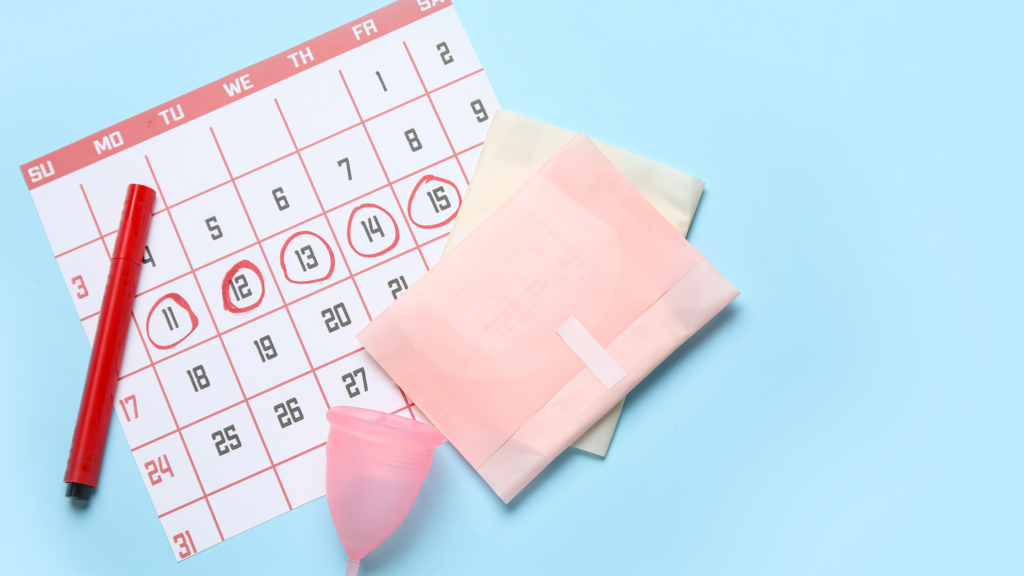
- Track your cycle and mood: Use a journal or app to track when your period starts, when you feel “low,” and when you sleep poorly. This reveals your personal pattern.
- Match your energy to your phase: Lean into social, creative tasks in the first half. Allow for more rest and reflection in the second half.
- Eat more consistently: Combine protein, healthy fats, and complex carbs (like sweet potatoes or legumes) to keep blood sugar stable.
- Protect your wind-down time: Aim for a 15–30 minute routine with no screens before bed to help your hormones regulate during sleep.
When to Seek Professional Help
You don’t have to wait until things are “bad” to ask for help. It is time to talk to a practitioner if you notice periods that are very irregular, mood swings that interfere with your relationships, or severe fatigue that doesn’t improve with rest.
A hormone-focused practitioner can help you with specific testing and a personalized plan tailored to your unique biology and lifestyle.
References & Further Reading
This article is written in alignment with current research and clinical understanding of menstrual-cycle-related hormone patterns.
- Expert hormonal guidance via AskDrOlz
- American College of Obstetricians and Gynecologists (ACOG) – Menstrual Cycle Basics
- NIH / Mayo Clinic / PMC resources on menstrual cycle and hormone balance
Disclaimer: This article is for educational purposes only and does not constitute medical advice. Always consult with a qualified healthcare professional.