PCOS is the single most common cause of female infertility worldwide. And yet, many South African women only find out they have it when they have already been trying to conceive for months — sometimes years — without success.
That gap between diagnosis and action costs time. And when you are trying to fall pregnant, time is one of the things you cannot afford to lose.
This article is for you if you have PCOS and you are thinking about trying for a baby — whether that is now, in six months, or in two years. Because what you do before you start trying matters just as much as what happens once you do. And the single most important thing you can do right now is understand what your hormones are actually doing.
Not what your last blood test suggested. Not what your GP assumed because your periods seem regular. What your hormones are actually doing — measured comprehensively, interpreted correctly, and addressed strategically.
Here is everything you need to know.
Does PCOS Mean You Cannot Fall Pregnant Naturally?
No. And this needs to be said clearly, because the fear that PCOS equals infertility causes enormous unnecessary anxiety.
The majority of women with PCOS do conceive — many naturally, and most with relatively straightforward intervention once the hormonal picture is properly addressed. PCOS causes subfertility, not sterility. The distinction matters.
What PCOS does is disrupt the hormonal cascade that governs ovulation. Without regular, healthy ovulation, conception becomes difficult or unpredictable. But ovulation can be restored. Egg quality can be improved. The hormonal environment of the uterus can be optimised. None of this is beyond reach — but none of it happens by accident either.
The women who struggle longest with PCOS-related infertility are typically those who were never given a complete hormonal picture, and who spent months trying to conceive without knowing which specific drivers were working against them.
That is exactly what this article — and comprehensive hormone testing — is designed to prevent.
How PCOS Disrupts Fertility: The Root Mechanisms
Understanding why PCOS impairs fertility helps you understand why the solution goes far beyond cycle tracking and timed intercourse.
Irregular or Absent Ovulation
The most direct fertility impact of PCOS is anovulation — cycles where an egg is not released. Without ovulation, conception is impossible in that cycle. And because PCOS cycles can be irregular and unpredictable, women may not know which cycles are ovulatory and which are not.
Even women with regular periods — a presentation we explored in detail in our article on PCOS with regular periods — can be experiencing inconsistent ovulation or a luteal phase that is too short to support implantation.
Poor Egg Quality
PCOS affects not just whether ovulation occurs, but the quality of the egg that is released. Chronic androgen excess, insulin resistance, and oxidative stress all impair the microenvironment inside the ovarian follicle where the egg matures. The result is eggs that are more likely to be chromosomally abnormal — which increases the risk of failed fertilisation, failed implantation, and early miscarriage.
This is why simply triggering ovulation with medication is not always sufficient. If the egg quality is poor, ovulation alone will not result in a successful pregnancy.
Elevated LH and the LH:FSH Imbalance
In PCOS, the pituitary gland typically produces excess luteinising hormone (LH) relative to follicle stimulating hormone (FSH). This skewed ratio disrupts the normal follicle development process, prevents dominant follicle selection, and impairs the LH surge that triggers ovulation.
Persistently elevated LH also appears to negatively affect egg quality and the receptivity of the uterine lining — even in cycles where ovulation does occur.
Insulin Resistance and the Androgen Cycle
As discussed in our article on PCOS and weight gain, insulin resistance is the central metabolic driver of PCOS. In the context of fertility, its impact is significant:
- Elevated insulin stimulates the ovaries to overproduce androgens, which suppresses follicle maturation
- High insulin impairs the liver’s production of SHBG, leaving more testosterone unbound and biologically active
- Insulin resistance is directly associated with poorer IVF outcomes, higher miscarriage rates, and lower live birth rates — even when ovulation is restored
Correcting insulin resistance before trying to conceive is one of the highest-leverage interventions available to women with PCOS.
Progesterone Insufficiency
Progesterone is the hormone that prepares and maintains the uterine lining for implantation. It is produced primarily by the corpus luteum — the structure left behind after ovulation.
In PCOS, progesterone output in the luteal phase is frequently inadequate. This creates a uterine environment that cannot properly support a fertilised egg, leading to either failed implantation (a cycle that appears normal but never results in pregnancy) or very early pregnancy loss that is often mistaken for a late period.
This is a critically underdiagnosed cause of recurrent early loss in women with PCOS — and it is identified through a simple progesterone blood test on day 21 of the cycle.
Thyroid and Prolactin Dysfunction
Both hypothyroidism and elevated prolactin are significantly more common in women with PCOS than in the general population, and both directly impair fertility:
- Subclinical hypothyroidism reduces ovulation frequency, impairs egg quality, and is associated with increased miscarriage risk — even when TSH is only mildly elevated
- Elevated prolactin suppresses GnRH secretion, disrupting the hormonal cascade that governs ovulation
Neither of these is routinely tested in a standard fertility workup. Both are identified through comprehensive hormone testing — and both are highly treatable once identified.
The Hormone Tests That Actually Matter Before You Try to Conceive
This is where most women are let down by the conventional system. A standard GP panel before conception typically checks haemoglobin, rubella immunity, and perhaps TSH. It does not give you a functional picture of your hormonal readiness for pregnancy.
Here is the comprehensive panel that gives you real answers:
Reproductive Hormones
- LH and FSH (day 2 to 5 of cycle) — to assess the LH:FSH ratio and baseline ovarian signalling
- Oestradiol (day 2 to 5) — to assess baseline ovarian function
- Progesterone (day 21, or 7 days post-ovulation) — to confirm ovulation occurred and assess luteal phase adequacy
- Free testosterone and total testosterone — elevated free testosterone directly impairs follicle development and egg quality
- SHBG — low SHBG reflects androgen excess and insulin resistance
- DHEA-S — adrenal androgen contribution; important to distinguish from ovarian androgen excess
- Prolactin — elevated prolactin suppresses ovulation; frequently missed in standard panels
Metabolic and Insulin Markers
- Fasting insulin and HOMA-IR — the most direct measure of insulin resistance; blood glucose alone is insufficient and will miss early insulin dysregulation entirely
- Fasting glucose and HbA1c — to assess longer-term glucose regulation
- Full lipid panel — dyslipidaemia is common in insulin-resistant PCOS and relevant to pregnancy health
Thyroid Panel
- TSH, Free T3, Free T4, Reverse T3
- TPO antibodies and TG antibodies — to identify Hashimoto’s thyroiditis, which impairs fertility and increases miscarriage risk even when TSH appears normal
Nutritional and Inflammatory Markers
- Ferritin — low ferritin impairs ovulation and is associated with poor pregnancy outcomes; the threshold for fertility is higher than the standard reference range (aim for above 70 micrograms per litre)
- Vitamin D — deficiency is associated with impaired ovulation, poor implantation, and increased miscarriage risk; extremely common in South African women despite the climate
- Zinc, selenium, B12, folate, magnesium — all essential for egg quality, ovulation, and early foetal development
- hs-CRP and homocysteine — elevated homocysteine is an independent risk factor for miscarriage and neural tube defects; folate and B12 status directly influences this
Ovarian Reserve
- AMH (anti-Mullerian hormone) — reflects the size of your remaining egg pool; women with PCOS often have elevated AMH due to the large number of small follicles, but AMH alone does not tell you about egg quality
- Antral follicle count on ultrasound — performed alongside AMH to assess ovarian reserve and confirm polycystic morphology
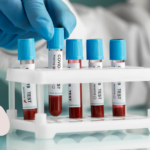
This panel, interpreted by a practitioner with functional medicine expertise, gives you a complete picture of where your hormonal and metabolic health stands — and exactly what needs to be addressed before you begin trying to conceive.
What to Address Before You Start Trying
The preparation phase before conception is one of the most powerful opportunities to improve your fertility outcomes. Ideally this begins three to six months before you start trying — the timeframe it takes for a new cohort of eggs to mature through their development cycle.
Correct Insulin Resistance First
This is non-negotiable. Normalising insulin levels reduces androgen overproduction, improves follicle development, supports healthy ovulation, and significantly lowers miscarriage risk. Interventions include:
- A lower glycaemic, higher protein dietary pattern
- Resistance training as the primary exercise modality
- Myo-inositol — the most evidence-based natural compound for improving insulin sensitivity and ovulation in PCOS; shown in multiple trials to improve ovulation rates and pregnancy outcomes
- Berberine — where clinically appropriate; note that berberine is not recommended during pregnancy and must be discontinued once conception is confirmed
- Magnesium glycinate — essential for insulin receptor function and frequently deficient in PCOS
Optimise Egg Quality
The three to four months before conception are when targeted nutritional support has the most direct impact on egg quality:
- CoQ10 (ubiquinol form) — supports mitochondrial function inside the egg; well-researched for improving egg quality, particularly in women over 35
- Omega-3 fatty acids — reduce follicular inflammation and support healthy cell membrane integrity in developing eggs
- Vitamin D — correct deficiency before conception; aim for a level above 75 nmol/L
- Folate (as methylfolate, not folic acid) — many women with PCOS carry MTHFR gene variants that impair folic acid conversion; methylfolate bypasses this and is the preferred form for pre-conception supplementation
- Zinc and selenium — critical for egg maturation and early embryo development
- NAC (N-acetylcysteine) — reduces oxidative stress in the follicular environment and has clinical evidence for improving ovulation and pregnancy rates in PCOS
Support the Luteal Phase
If progesterone insufficiency is identified on testing, luteal phase support may include:
- Targeted nutrients that support corpus luteum function (vitamin C, zinc, magnesium)
- Vitex agnus-castus (chaste tree) — traditionally used to support progesterone production and luteal phase length; use should be supervised and discontinued once pregnancy is confirmed
- Bioidentical progesterone supplementation where clinically indicated, prescribed and monitored by a qualified practitioner
Address Thyroid and Prolactin if Abnormal
Both conditions are highly treatable. Subclinical hypothyroidism is typically managed with low-dose thyroid hormone support, and elevated prolactin may respond to dietary intervention, stress reduction, or medication depending on the cause and severity. Neither should be left unaddressed when you are trying to conceive.
Reduce Inflammatory Load
Systemic inflammation impairs every stage of conception — from follicle development to implantation to early placental function. An anti-inflammatory dietary pattern, omega-3 supplementation, gut health support, and stress management are all relevant here. For a deeper understanding of how inflammation connects to PCOS hair loss and androgen excess, read our article on PCOS hair loss.
A Note on Irregular Periods and Timing Conception
If your cycles are irregular — whether due to infrequent ovulation or genuinely unpredictable cycle lengths — timed intercourse based on a standard 28-day calendar is not a reliable strategy.
More useful approaches include:
- Basal body temperature tracking — a rise in BBT confirms that ovulation has occurred
- LH surge testing with ovulation predictor kits — useful but less reliable in PCOS due to persistently elevated baseline LH, which can produce false positives
- Monitoring cervical mucus changes — the appearance of clear, stretchy mucus signals the fertile window
- Ultrasound follicle tracking — the most accurate method, performed by a gynaecologist or fertility specialist to confirm dominant follicle development and ovulation
If you have been trying to conceive for 6 months with irregular cycles, or 12 months with regular cycles, it is appropriate to seek specialist assessment. Do not wait longer than this — earlier investigation leads to better outcomes.
When to Involve a Fertility Specialist
A functional medicine approach to PCOS fertility is most powerful in the preparation and optimisation phase. There are situations, however, where referral to a reproductive endocrinologist or fertility specialist is the right next step:
- Confirmed anovulation that does not respond to lifestyle and nutritional intervention within three to four months
- Tubal factor or male factor infertility identified on investigation
- Recurrent miscarriage (two or more losses)
- Age above 35, where time is a more pressing variable
- Failed response to ovulation induction medication
Functional medicine and fertility medicine are not in opposition — they work best together, with the functional approach optimising the hormonal environment and the fertility specialist managing ovulation induction or assisted reproduction where needed.
The South African Context: What You Need to Know
Access to comprehensive hormonal testing in South Africa varies significantly depending on whether you are in the private or public health system, and whether your practitioner is familiar with functional medicine interpretation of results.
Key points to be aware of:
- Standard reference ranges on lab reports are population-based — they reflect what is common, not what is optimal for fertility. A result marked “normal” may still be suboptimal for conception.
- Fasting insulin is not routinely tested in most standard GP or gynaecology panels in South Africa — you will typically need to request it specifically, or work with a practitioner who includes it as standard
- Methylfolate is available in South Africa through specialist supplement suppliers and some compounding pharmacies — it is worth sourcing over standard folic acid if you have not been tested for MTHFR variants
- AMH testing is widely available through private pathology laboratories and does not need to be requested through a fertility clinic
Working with a practitioner who understands both the South African healthcare landscape and the functional medicine approach to PCOS gives you the most direct route to answers — and to a pregnancy.
The Bottom Line
PCOS does not make pregnancy impossible. But it does make preparation essential.
The women who go on to have healthy pregnancies with PCOS are not the ones who got lucky. They are the ones who understood their hormonal picture before they started trying — who knew whether their insulin was driving androgen excess, whether their progesterone was sufficient to support implantation, whether their thyroid was quietly impairing ovulation, and whether their egg quality had been optimised in the months before conception.
That knowledge starts with comprehensive hormone testing.
Not a basic panel. Not a single TSH result. A full, functional assessment of every system that governs your ability to conceive — interpreted by someone who knows what to look for and what to do with what they find.
Disclaimer: This article is for educational purposes only and does not constitute medical advice. Fertility decisions should always be made in consultation with a qualified healthcare practitioner who can assess your individual clinical picture.
Ready to understand your hormonal fertility picture before you start trying? Book a comprehensive hormone testing consultation with Dr Olz at askdrolz.com and get the answers your body deserves.