
Introduction
If you have been feeling anxious for no clear reason, struggling to sleep, noticing your periods have become heavier or more irregular, or feeling like you just cannot cope the way you used to, low progesterone might be part of what is going on.
Progesterone is one of your most important hormones, yet it is also one of the most overlooked. It is often dismissed as simply “the pregnancy hormone,” but it does so much more than that. It calms your nervous system, supports deep sleep, balances your mood, and acts as a counterweight to estrogen throughout your cycle.
When progesterone drops too low, it affects your whole body, and many women spend years not knowing that their hormones are at the root of how they feel.
This article will walk you through the most common low progesterone symptoms, what causes progesterone to drop, and what you can do to support your hormonal health. Please note that this content is for educational purposes only and is not a substitute for personalised medical advice. Always work with a qualified healthcare provider for diagnosis and treatment.
What Is Progesterone and Why Does It Matter?
Progesterone is a steroid hormone produced mainly in the ovaries after ovulation. It is also made in smaller amounts by the adrenal glands and, during pregnancy, by the placenta.
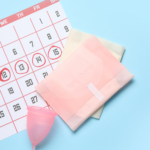
In a healthy menstrual cycle, progesterone rises in the second half of your cycle (called the luteal phase) after ovulation occurs. This rise is what allows the uterine lining to mature, prepares the body for potential pregnancy, and then triggers your period if pregnancy does not occur.
Beyond the reproductive system, progesterone has receptors throughout your body, including in your brain, gut, bones, and immune system. This is why low progesterone does not just affect your periods. It affects how you feel from head to toe.
Common Low Progesterone Symptoms
Low progesterone can look different from person to person, which is why it is so commonly missed. Here are the most frequently reported signs.
1. Anxiety, Irritability, and Mood Changes
Progesterone has a natural calming effect on the brain. It does this partly by supporting GABA, a neurotransmitter that helps you feel calm and settled. When progesterone is low, GABA activity can drop, leaving you feeling wired, anxious, or irritable, especially in the second half of your cycle.
Many women notice that their anxiety or mood dips worsen in the week or two before their period. This pattern is a key clue that progesterone may be involved.
2. Sleep Problems
One of progesterone’s lesser-known roles is supporting deep, restful sleep. It converts in the brain to a compound called allopregnanolone, which has a sedative, sleep-promoting effect. When progesterone is low, this conversion is reduced and sleep often suffers.
You might notice difficulty falling asleep, waking in the night, or simply not feeling rested even after a full night in bed.
3. Irregular or Short Menstrual Cycles
Because progesterone is produced after ovulation, any cycle where ovulation is delayed, weak, or absent will result in lower progesterone levels. This can show up as cycles that are shorter than 24 days, or cycles that are unpredictable from month to month.
A luteal phase (the time between ovulation and your period) that is shorter than 10 to 12 days is one of the more telling signs that progesterone production may be insufficient.
4. Heavy or Painful Periods
Progesterone keeps estrogen in check. When progesterone is low relative to estrogen (a state called estrogen dominance), the uterine lining can become thicker than usual. This often leads to heavier, longer, or more painful periods.
Clotting, flooding, and significant cramping are all common complaints in women with low progesterone and relative estrogen dominance.
5. Premenstrual Syndrome (PMS)
Significant PMS is not normal, even though it is common. Bloating, breast tenderness, headaches, food cravings, tearfulness, and rage in the days before your period are all signs that something in your hormonal pattern is off. Low progesterone in the luteal phase is frequently at the root of these symptoms.
6. Spotting Before Your Period
Light spotting in the days before your period properly starts can be a sign that progesterone is falling too quickly or was never high enough to begin with. This is sometimes called premenstrual spotting or luteal phase spotting.
7. Difficulty Conceiving or Recurrent Miscarriage
Progesterone is essential for maintaining the uterine lining in early pregnancy. If levels are too low, the lining may not be able to support a fertilised egg, making conception more difficult. Low progesterone in early pregnancy has also been associated with a higher risk of miscarriage.
If you are trying to conceive and experiencing difficulty, getting your progesterone tested is an important step. Work with your doctor or fertility specialist for proper evaluation.
8. Headaches or Migraines
Hormonal headaches that arrive predictably before your period or around ovulation are often linked to the drop in progesterone and fluctuating estrogen levels. These headaches tend to be cyclical and track closely with the menstrual cycle.
9. Low Libido
Progesterone plays a role in supporting healthy libido, particularly in women. Low levels can contribute to a decreased interest in sex, alongside other factors like fatigue and mood changes.
10. Fatigue and Low Energy
Chronic tiredness that is not explained by sleep deprivation alone can sometimes be related to low progesterone, particularly when it occurs alongside other symptoms in this list. Progesterone supports thyroid function and metabolic health, so when it drops, energy can take a hit.
What Causes Low Progesterone?
Understanding why progesterone drops is just as important as recognising the symptoms. There is rarely one single cause. Instead, it is usually a combination of factors.
Chronic Stress
The stress response and sex hormone production share the same raw material: pregnenolone. When you are under chronic stress, your body prioritises cortisol production over progesterone production in a process sometimes called “pregnenolone steal” or the cortisol-progesterone competition. Over time, ongoing stress can significantly reduce how much progesterone your body is able to make.
Anovulatory Cycles (Cycles Without Ovulation)
Because progesterone is primarily produced after ovulation, cycles where ovulation does not occur will produce very little progesterone. Anovulatory cycles can happen more frequently during perimenopause, but they can also occur in younger women due to stress, under-eating, intense exercise, or thyroid issues.
Perimenopause
The years leading up to menopause (typically from the mid-to-late thirties onwards) are often when progesterone starts to decline. Ovulation becomes less frequent and less robust, and progesterone levels gradually decrease. This is a normal part of ageing, but the symptoms it produces are often significant and deserve proper support.
Poor Luteal Phase Function
Even when ovulation occurs, the corpus luteum (the temporary gland that forms after the egg is released) may not produce enough progesterone. This is sometimes called luteal phase defect and can affect both cycle regularity and fertility.
Thyroid Dysfunction
The thyroid and reproductive hormones are closely connected. Hypothyroidism (an underactive thyroid) can interfere with ovulation and reduce progesterone production. If you have low progesterone symptoms alongside fatigue, cold hands and feet, hair thinning, or constipation, thyroid testing is worthwhile.
Nutritional Deficiencies
Progesterone synthesis depends on certain nutrients. Zinc, vitamin B6, vitamin C, and magnesium are all involved in healthy hormone production and luteal phase function. Chronic dietary restriction, poor gut absorption, or a diet low in these nutrients can contribute to low progesterone.
High Estrogen Relative to Progesterone
Low progesterone and high estrogen often go hand in hand. Even if estrogen levels are technically normal, if progesterone is low, estrogen can feel dominant by comparison. This imbalance drives many of the symptoms listed above.
How Is Low Progesterone Diagnosed?
The most accurate way to assess progesterone is through a blood test taken at the right time in your cycle. Progesterone should be tested approximately 7 days after ovulation, which in a 28-day cycle would be around day 21. However, if your cycles are longer or shorter, this timing will shift accordingly.
A result below 30 nmol/L (or below 10 ng/mL, depending on the unit your lab uses) in the mid-luteal phase is generally considered low, though interpretation varies and should be discussed with your healthcare provider.
A single test does not always tell the full story. Tracking symptoms alongside cycle data, and in some cases doing multiple hormone tests, gives a more complete picture. Functional hormone testing, including testing across the cycle rather than at one single point, can be particularly helpful.
It is also worth noting that symptoms matter just as much as numbers. Some women feel their best with progesterone levels that sit at the lower end of “normal,” while others feel significant symptoms there. Your lived experience is valid data.
How to Support Healthy Progesterone Levels
Supporting progesterone is rarely about one magic fix. It is about removing the obstacles that prevent your body from producing it well, and giving your system the support it needs to function optimally.
Here are some of the most evidence-informed approaches.
Manage Stress Meaningfully
Because chronic stress directly competes with progesterone production, any strategy that reduces your stress load and supports your nervous system can have a positive impact on progesterone. This includes sleep, breathwork, time in nature, gentle movement, and creating boundaries around your time and energy.
Saying this is easy; implementing it is the real work. But the connection between stress and hormones is real and significant.
Prioritise Sleep
Poor sleep raises cortisol and reduces the nutrients and recovery time your body needs for healthy hormone production. Aiming for 7 to 9 hours of quality sleep and keeping consistent wake and sleep times helps regulate cortisol patterns and supports hormonal balance over time.
Eat Enough and Eat Well
Under-eating, particularly insufficient carbohydrates and fats, signals stress to the body and can suppress ovulation and reduce progesterone. Eating regular, balanced meals that include quality fats, protein, and complex carbohydrates supports both ovulation and luteal phase function.
Nutrients particularly relevant to progesterone include:
- Zinc: Found in pumpkin seeds, beef, oysters, and legumes. Zinc supports ovulation and corpus luteum function.
- Vitamin B6: Found in salmon, chicken, bananas, and sweet potato. B6 is involved in progesterone synthesis and reducing PMS.
- Magnesium: Found in dark leafy greens, nuts, seeds, and dark chocolate. Magnesium supports progesterone production and sleep.
- Vitamin C: Found in bell peppers, kiwi, broccoli, and citrus. Research suggests vitamin C supplementation may support luteal phase progesterone levels.
Support Your Thyroid
If thyroid function is compromised, address it. Work with your doctor to get a full thyroid panel (not just TSH) and discuss what your results mean for your symptoms. Supporting thyroid health through nutrition, iodine, selenium, and stress reduction can have downstream benefits for progesterone and ovulation.
Consider Relevant Supplements
Some supplements have research supporting their role in progesterone and luteal phase support. These include vitex (chaste tree berry), vitamin B6, magnesium, and zinc. However, supplementation should be tailored to the individual and ideally guided by a practitioner, as the wrong supplement at the wrong time can sometimes worsen hormonal imbalances.
Look at Your Liver and Gut Health
The liver and gut play a central role in estrogen clearance. When either is not functioning optimally, estrogen can build up and further suppress progesterone. Supporting the liver through adequate protein intake, cruciferous vegetables, and reduced alcohol, and supporting the gut through fibre and fermented foods, can help bring estrogen and progesterone into better balance.
Work With a Practitioner
If you suspect low progesterone is driving your symptoms, working with a practitioner who understands hormonal health from a functional perspective can help you get tested, interpreted, and supported in a way that is specific to your situation. There is no one-size-fits-all protocol.
When to See a Doctor
Please speak to your doctor or healthcare provider if you are experiencing:
- Heavy periods that are affecting your quality of life
- Significant premenstrual symptoms that are impacting your relationships or daily function
- Irregular cycles or cycles that have changed noticeably
- Difficulty conceiving after six months (if you are over 35) or after twelve months (if you are under 35)
- Recurrent miscarriage
These are all situations where proper testing, investigation, and medical support are important. Natural and lifestyle approaches work best when combined with appropriate clinical care, not instead of it.
Frequently Asked Questions
Can I have low progesterone if my tests come back normal?
Possibly. Standard blood tests measure progesterone at one point in time, and reference ranges are broad. If your symptoms strongly suggest low progesterone but your results look “normal,” ask your provider about testing at the correct time in your cycle, or about tracking your hormones across multiple points. Symptoms matter.
Does low progesterone cause weight gain?
Not directly, but the estrogen dominance that often accompanies low progesterone can contribute to fluid retention and bloating, particularly around the abdomen. Poor sleep and increased cortisol (often accompanying low progesterone) can also affect metabolism and appetite over time.
Can progesterone cream help?
Over-the-counter progesterone creams vary widely in quality and dosage. While some women report benefit, they are not regulated in the same way as prescription progesterone, and using them without testing and guidance can sometimes create more imbalance. If you are considering progesterone therapy, discuss it with your doctor or a hormone-literate practitioner.
Is low progesterone the same as menopause?
No, though progesterone does decline during perimenopause and reaches very low levels after menopause. Low progesterone can occur at any age, including in women in their twenties and thirties, particularly if ovulation is irregular or stress is high.
Final Thoughts
Low progesterone is one of the most common hormonal imbalances affecting women, and yet it is one of the least talked about. The symptoms are real, they are significant, and they are not something you simply have to put up with.
Understanding what your hormones are doing and why gives you the ability to take meaningful steps toward feeling better. Whether that is through nutrition, stress support, targeted testing, or working with a practitioner who takes your symptoms seriously, there is always somewhere to start.
Your hormones are not working against you. They are responding to your environment and your circumstances. And with the right support, they can shift.
This article is intended for general informational purposes only and does not constitute medical advice. Always consult a qualified healthcare professional before making changes to your health routine, particularly if you are pregnant, breastfeeding, or managing a health condition.