
Perimenopause is often misunderstood as a short window before menopause, but it is actually a decade-long transition that can begin as early as your late 30s. During this time, the communication between your brain and your ovaries begins to change, leading to fluctuations that impact everything from your mood to your metabolism. Rather than fearing this shift, we can use it as a strategic opportunity to optimize perimenopause support and long-term vitality.
Recognizing the Early Signals
Because estrogen and progesterone do not decline in a straight line, the early stages of this transition can feel like a hormonal rollercoaster. Common signs that your system is recalibrating include:
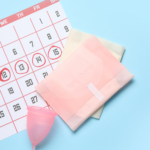
- Shortened Cycles: A 28-day cycle suddenly becoming 24 or 25 days.
- Sleep Disruptions: Waking up at 3:00 AM, often due to a dip in progesterone or a spike in nighttime cortisol.
- Metabolic Shifts: Feeling like your usual diet and exercise routine no longer “works” for your body composition.
The Three Pillars of a Graceful Transition
To navigate these changes with resilience, your strategy must evolve beyond basic wellness:
- Muscle as a Metabolic Sink: As estrogen fluctuates, maintaining muscle mass becomes critical for insulin sensitivity and bone density. Strength training is no longer optional; it is a hormonal necessity.
- Nervous System Regulation: During perimenopause, your body becomes more sensitive to stress. Prioritizing “down-regulation” activities protects your adrenal glands, which take over some hormone production duties as ovarian function declines.
- Anti-Inflammatory Nutrition: Reducing systemic inflammation helps stabilize the “fire” of fluctuating estrogen, minimizing hot flashes and brain fog.
Assessing Your Changing Needs
Every woman’s experience of this transition is unique. Identifying whether your symptoms are driven by estrogen dominance, progesterone depletion, or adrenal strain is the first step toward a solution. You can begin this discovery by taking a hormone assessment quiz to see how your markers are shifting.
Clinical Strategy for the Long Term
Perimenopause is not a condition to be “cured,” but a phase to be mastered. For those looking for a clinical edge—including discussions on bioidentical hormone support or targeted supplementation—a bespoke consultation provides the necessary expertise. For further scientific insight into the biology of the transition, the North American Menopause Society (NAMS) offers peer-reviewed data on managing midlife health.