
For too long, women have been told that mood swings, debilitating cramps, and cystic acne are simply “part of being a woman.” From a functional perspective, however, your menstrual cycle is far more than a reproductive event—it is your fifth vital sign. When your hormones are in harmony, your cycle should be a seamless transition, not a monthly crisis.
Decoding the Language of Your Hormones
Your body uses symptoms to communicate internal imbalances. When we listen to these signals rather than masking them, we can identify the specific endocrine “dial” that needs adjusting.
- Estrogen Dominance: Often manifesting as heavy cycles, breast tenderness, and irritability, this occurs when estrogen levels are too high relative to progesterone or when the liver isn’t clearing “spent” hormones effectively.
- Progesterone Deficiency: Progesterone is your “natural valium.” When it’s low—often due to chronic stress—you may experience anxiety, spotting, or insomnia in the week leading up to your period.
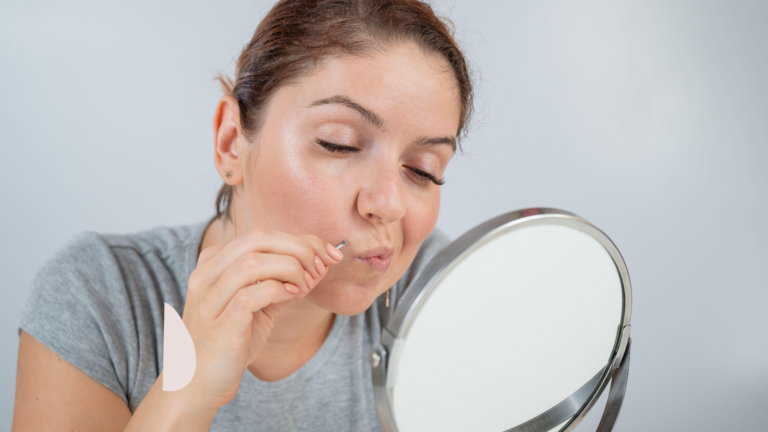
- Androgen Excess: High levels of testosterone or DHEA can lead to skin breakouts and unwanted hair growth, often tied to underlying insulin resistance.
The Foundation of Hormonal Intelligence
To move toward a symptom-free life, we must support the foundations of women’s hormonal health:
- Blood Sugar Stability: Every insulin spike triggers a hormonal cascade that can disrupt ovulation and increase inflammation.
- Micronutrient Synergy: Your ovaries require high concentrations of Vitamin C, Zinc, and B6 to produce the progesterone needed for a calm mood and a healthy cycle.
- The Estrobolome: This is a specific group of bacteria in your gut responsible for metabolizing estrogen. If your gut health is compromised, your hormones will be too.
Taking Action: From Feedback to Flourishing
The first step in any hormonal reset is gaining clarity on your unique baseline. You can start by taking this hormone assessment quiz to see which of your “vital signs” needs the most attention.
Understanding the four phases of your cycle—menstrual, follicular, ovulatory, and luteal—allows you to match your nutrition and activity to your internal chemistry. If you are looking for a clinical roadmap to resolve chronic symptoms once and for all, book a consultation with a specialist. For more information on the science of reproductive endocrinology, the American College of Obstetricians and Gynecologists (ACOG) provides extensive resources on hormonal health across the lifespan.